

Your pension, your future
Love your future. Shell Pension.
Love your future. Shell Pension.
Pension update May 2021
Your pension, your future
Love your future. Shell Pension.
Love your future. Shell Pension.
November 2020
Value statement
"Despite all the corona turmoil, we are achieving positive results"
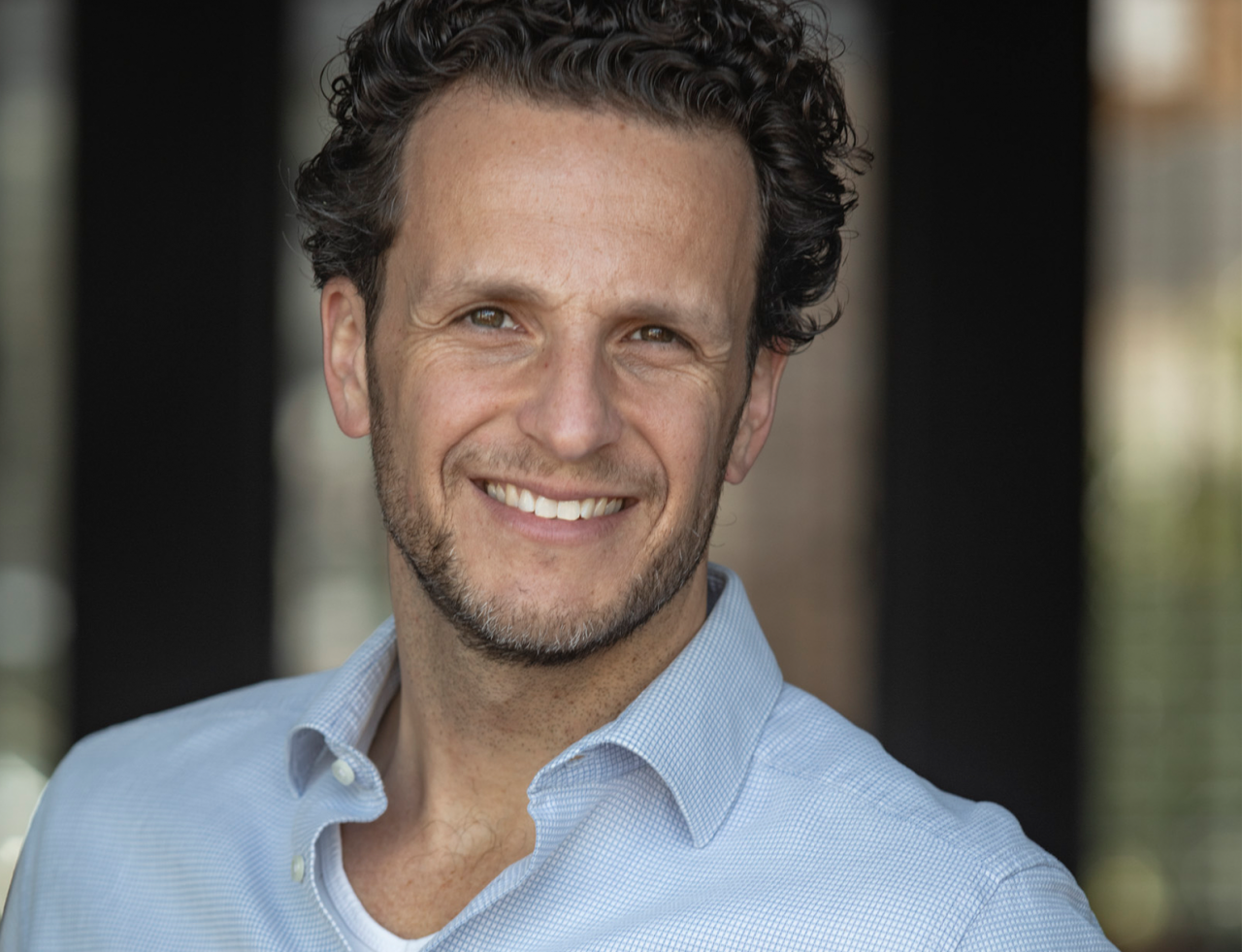
Lockdowns still dictate the global economy, while the prices of many risky investment categories show an undiminished rise. What are the consequences for your pension accrual with SNPS? Interview with Jeroen Roskam, fiduciary advisor of Achmea
Investment Management.
The first three months of the year are behind us. What really caught your attention?
"The vast difference between the actual economy and the development on the stock exchanges. The lockdowns are causing a lot of economic hardships, but there is no trace of that to be seen on the stock exchanges. One record after another is broken there."
How does that work? Strong stock markets and an economy that is, to say the least, just getting back on its feet?
"Investors are optimistic. There are two reasons for this. One: interest rates are low because central banks continue to buy up government bonds on a large scale. Two: governments are pulling out all the stops to help their national economies, like the United States is doing. There, 1 900 billion US dollars alone are being spent on fighting the coronavirus and supporting both consumers and businesses. In addition, an investment plan is in the pipeline amounting to US$3,000 billion."
Isn't the high level of the stock markets, i.e. the high price being paid for shares, also due to the emergence of many more private investors who are more than willing to put money down for sexy companies like Apple and Tesla?
"It is true that the low savings rates (and perhaps the boredom of the lockdowns) have prompted more people to invest. Yet this is only a drop in the ocean. Investing involves billions and billions of euros."
A Tesla share is now worth 200 times more than the company's profits. How is that possible?
"Low interest rates make investors willing to pay more for shares in companies with strong growth prospects. This also holds true for pension funds. However, some shares generate a real hype and the high valuation does not seem justified. Investors tend to overreact and overvalue growth prospects.
Do I detect some hesitation?
"I don't want to give the impression that at SNPS we are banking on companies that are doing well today and will perform even better tomorrow. We invest in diversified portfolios."
Which means?
"That we move with the big wave but only do so in a well-diversified way. That is preferable to investing in just a few individual companies. And the advantage is that, despite all the economic turmoil, we are achieving positive results. We primarily look at how we can most effectively spread our assets across the various investment categories."
Since the end of last year and the beginning of this year, vaccinations have been in full swing worldwide. How does this affect the economy?
"You see that the confidence among producers, the manufacturing industry, is returning. There are even shortages. So there is consumer demand. The only drawback is that this does not yet extend to the service sector, such as hotels, restaurants and shops. Those sectors will not recover until there is sufficient vaccination and the economy has reopened."
What are the consequences of the current low interest rates for pensions?
"You can relate the interest rate to the cost of your pension. If the interest rate falls, your pension becomes more expensive. In other words, if interest rates are high, you can also have a high pension. Now that interest rates are so low, pensions are 'expensive'. On the other hand, investments have increased in value.